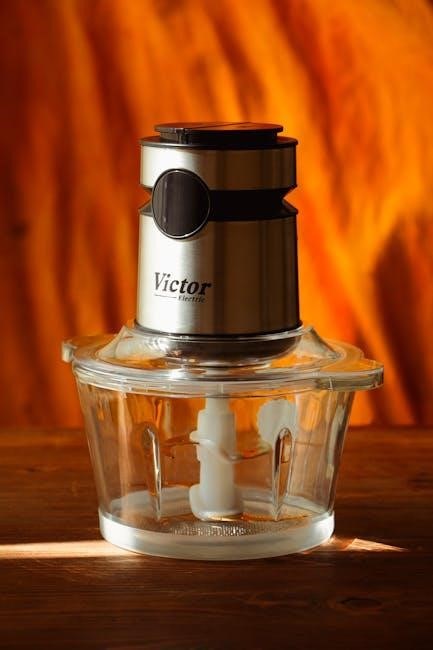
Food processors‚ essential kitchen tools‚ simplify meal prep‚ offering versatility from chopping to pureeing. Understanding their functions‚ as detailed in various models’ manuals‚ unlocks culinary efficiency.
What is a Food Processor?
A food processor is a versatile electric kitchen appliance designed to simplify numerous food preparation tasks. Unlike blenders‚ which excel at liquids‚ processors handle solids with efficiency. Manuals detail how these machines chop‚ slice‚ shred‚ puree‚ and even knead dough. Continuous feed models process ingredients rapidly‚ while batch bowl types offer controlled results. They consist of a motor base‚ work bowl‚ and interchangeable blades/discs. Understanding your appliance’s manual is crucial for safe and effective operation‚ maximizing its capabilities for diverse culinary applications.
Benefits of Using a Food Processor
Utilizing a food processor‚ as outlined in its manual‚ dramatically reduces food preparation time; They efficiently handle tasks like chopping vegetables‚ grating cheese‚ and making sauces‚ saving significant effort. Manuals emphasize safety features and proper blade usage. From creating dips to kneading dough‚ processors offer versatility. Consistent results are achieved with each use‚ improving recipe outcomes. Cleaning‚ detailed in the manual‚ is straightforward‚ making it a convenient kitchen essential for both novice and experienced cooks.
Types of Food Processors
Food processor manuals detail various types: full-size‚ mini choppers‚ and immersion models. Each offers unique capabilities‚ catering to diverse culinary needs and kitchen spaces.
Full-Size Food Processors
Full-size food processors‚ as explained in their manuals‚ are workhorses for extensive food preparation. These models typically boast larger capacities‚ ideal for families or batch cooking. Manuals emphasize their ability to handle diverse tasks – chopping vegetables‚ kneading dough‚ and creating purees. Continuous feed options‚ detailed in some manuals‚ efficiently process large volumes. Power and blade variety contribute to versatility. Understanding the manual’s safety guidelines is crucial for optimal and secure operation‚ ensuring longevity and preventing accidents during complex tasks like slicing or shredding.
Mini Food Processors (Choppers)
Mini food processors‚ often called choppers‚ are compact and efficient‚ as detailed in their respective manuals. These models excel at smaller tasks – quickly chopping onions‚ garlic‚ or nuts. Manuals highlight their ease of use and cleaning‚ making them perfect for single servings or quick recipes. They’re ideal where space is limited. The manual stresses proper blade handling and avoiding overloading. While less versatile than full-size models‚ they efficiently handle specific tasks‚ offering convenience and speed for everyday food preparation.
Immersion (Handheld) Food Processors
Immersion food processors‚ or handheld blenders‚ offer direct control‚ as explained in their manuals. These versatile tools excel at pureeing soups directly in the pot or creating sauces without transferring ingredients. Manuals emphasize safety precautions‚ like avoiding lifting the blending shaft while operating. They’re easy to clean and store‚ making them ideal for small kitchens. While lacking the power of larger models‚ they provide convenience and precision for various tasks‚ offering a streamlined approach to food preparation.
Key Components of a Food Processor
Food processor manuals detail crucial parts: the motor‚ work bowl‚ blades‚ and discs. Understanding each component’s function‚ and proper assembly‚ ensures safe and efficient operation.
Motor and Power
Food processor manuals emphasize motor power as a key performance indicator. Higher wattage generally equates to handling tougher ingredients with ease. However‚ manuals also caution against overloading the motor‚ potentially causing overheating. They detail recommended processing times for various foods. Understanding your model’s amperage and voltage requirements‚ as outlined in the manual‚ is crucial for safe operation and preventing electrical issues. Proper ventilation‚ as described‚ also extends motor life. Always consult the manual before attempting any repairs.
Work Bowl and Lid
Food processor manuals consistently highlight the importance of a securely fastened work bowl and lid. These components prevent ingredient splatter and ensure safe operation. Manuals detail proper assembly techniques‚ often illustrating locking mechanisms. They also specify maximum fill levels to avoid overfilling and potential motor strain. Cracks or damage to the bowl or lid‚ as noted in safety sections‚ necessitate immediate replacement. Always refer to the manual for specific bowl capacity guidelines for optimal performance.
Blades and Discs
Food processor manuals emphasize the critical role of blades and discs in achieving desired results. They detail each attachment’s specific function – chopping‚ shredding‚ slicing – and proper installation. Manuals warn against handling sharp blades carelessly and provide cleaning instructions. Correct blade/disc selection‚ as outlined‚ impacts food texture. Damaged or dull blades compromise performance; manuals advise replacement. Always consult the guide for appropriate speeds when using different attachments for optimal‚ safe operation.
Using Your Food Processor: Basic Operations
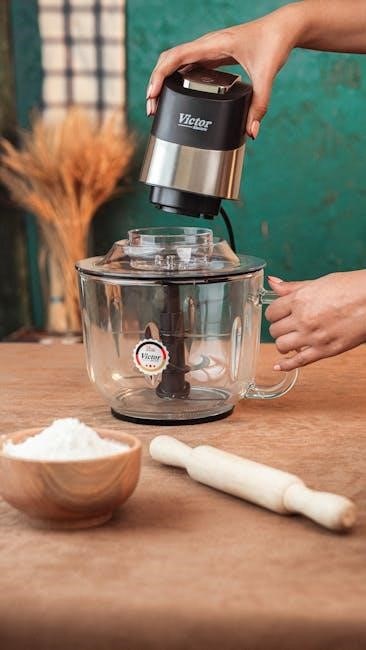
Food processor manuals guide safe assembly and operation. They detail proper ingredient feeding techniques and emphasize understanding the pulse function for controlled processing.
Assembling the Food Processor
Food processor assembly‚ as detailed in your appliance’s manual‚ begins with securely placing the work bowl onto the base. Next‚ insert the chosen blade or disc‚ ensuring it clicks firmly into position. Carefully attach the lid‚ aligning the locking tabs until it audibly secures.
Always double-check that all components are properly locked before operation to prevent accidents or malfunctions. Refer to the manual’s diagrams for visual guidance‚ especially when using attachments. Incorrect assembly can compromise performance and safety.
Pulse Function Explained
The pulse function‚ outlined in your food processor manual‚ delivers short bursts of power‚ offering precise control. Unlike continuous operation‚ pulsing prevents over-processing‚ ideal for achieving desired textures in dips‚ salsas‚ or chopped vegetables.
Briefly activate the pulse button‚ observing the consistency. Repeat as needed‚ avoiding prolonged pulses. This technique minimizes heat buildup and ensures ingredients remain coarsely textured‚ as intended. Mastering the pulse function enhances culinary results.
Feeding Ingredients Safely
Your food processor manual emphasizes safe ingredient insertion. Always utilize the feed tube and pusher‚ never your hands‚ to guide food towards the blades. This prevents accidental contact and potential injury. Cut larger items into smaller‚ uniform pieces for even processing and to avoid strain on the motor.
Never overload the work bowl; follow capacity guidelines. Ensure the machine is fully assembled and stable before operation‚ prioritizing safety during every use.
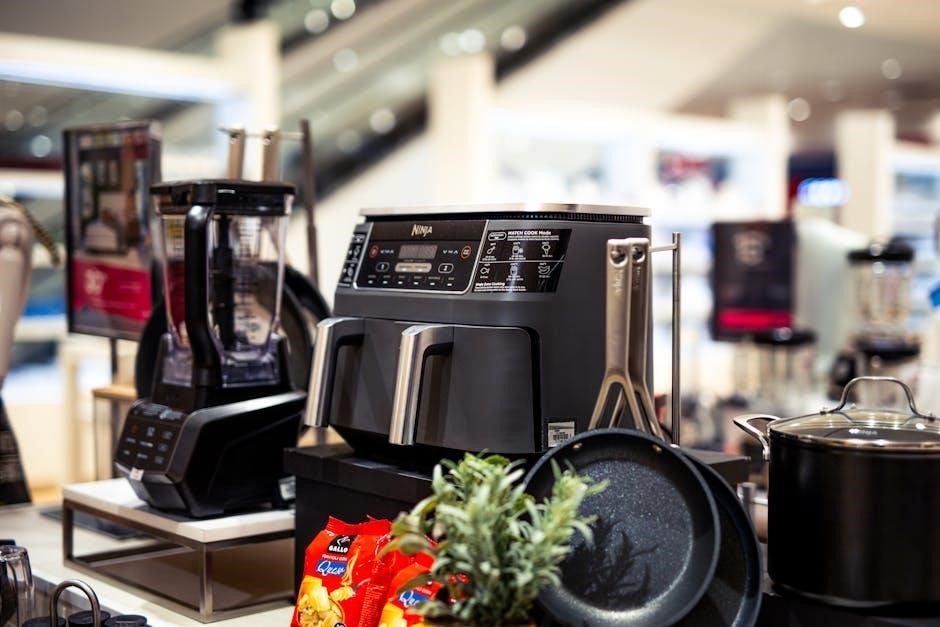
Food Processor Attachments and Their Uses
Food processor manuals detail various attachments—blades and discs—for chopping‚ shredding‚ and slicing. Each attachment unlocks specific functions‚ expanding culinary possibilities efficiently.
Chopping Blade
The chopping blade‚ a standard attachment detailed in your food processor manual‚ excels at quickly and evenly processing ingredients. It’s ideal for onions‚ garlic‚ herbs‚ and nuts‚ creating consistent results. Manuals emphasize pulsing for controlled chopping‚ preventing over-processing into a paste. Different models may have varying blade designs; always consult your manual for specific instructions. Proper blade care‚ including careful washing and storage‚ ensures longevity and optimal performance. Remember safety precautions outlined in the manual when handling sharp blades.
Shredding Disc
The shredding disc‚ as explained in your food processor manual‚ transforms firm vegetables and cheeses into perfectly shredded pieces. Manuals typically detail different disc sizes for coarse or fine shreds. Consistent ingredient size is achieved through even pressure using the feed tube and pusher. Always ensure the correct disc is securely attached before operation‚ referencing the manual’s diagrams. Proper cleaning‚ as outlined in the manual‚ prevents clogging and maintains efficiency. Safety warnings regarding blade handling are crucial.
Slicing Disc
The slicing disc‚ detailed in your food processor manual‚ creates uniform slices of vegetables‚ fruits‚ and cheeses. Manuals illustrate adjustable thickness settings for varied slice sizes. Consistent pressure via the feed tube and pusher ensures even results. Securely attaching the correct disc is vital‚ referencing the manual’s diagrams. Proper cleaning‚ as instructed‚ prevents build-up. Always heed safety warnings about blade handling‚ as outlined in the manual‚ for safe operation and longevity.
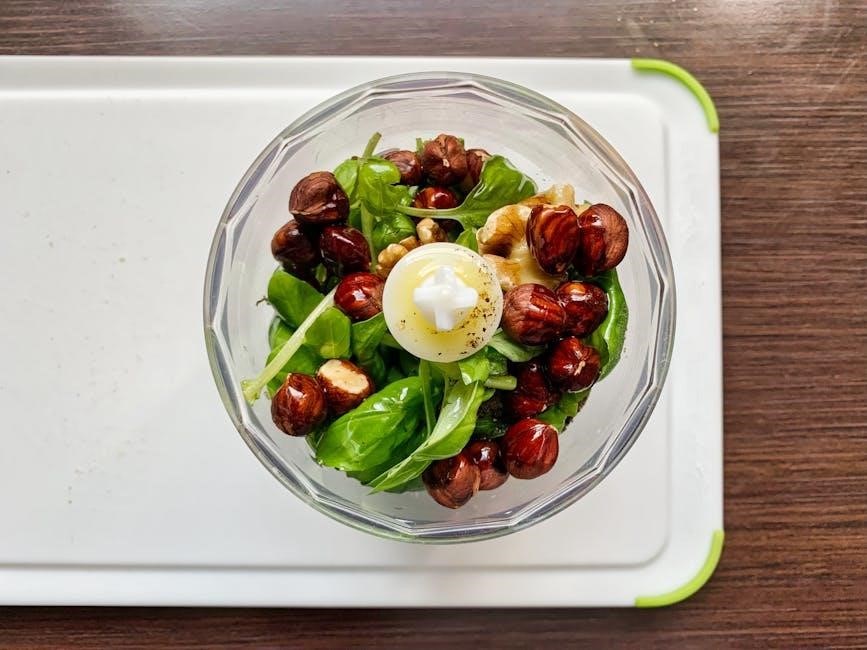
Recipes and Applications
Food processor manuals often include recipes—dips‚ sauces‚ doughs—showcasing versatility. Mastering basic operations‚ per the manual‚ unlocks a world of culinary possibilities and efficient cooking.
Making Dips and Sauces
Food processor manuals frequently highlight dip and sauce creation‚ emphasizing ease and speed. From hummus to pesto‚ the appliance excels at achieving smooth textures. Consult your manual for specific blade recommendations; chopping blades are ideal for chunky salsas‚ while a continuous feed ensures consistent results.
Proper ingredient order—liquids last—prevents splattering. Pulse functions offer control‚ preventing over-processing. Many manuals include detailed recipes‚ guiding users through flavor combinations and achieving desired consistencies. Experimentation is encouraged‚ but always prioritize safety guidelines outlined in the manual.
Preparing Vegetables
Food processor manuals consistently demonstrate vegetable preparation capabilities. Shredding‚ slicing‚ and chopping become remarkably efficient with appropriate disc and blade selection. The manual will detail optimal speeds for various vegetables – carrots versus softer tomatoes‚ for example.
Continuous feed models excel at large quantities‚ while pulse functions offer control for coarser textures. Always refer to the manual regarding ingredient size for best results and to avoid overloading. Safety precautions‚ like using the food pusher‚ are crucial for preventing injury.
Creating Doughs and Batters
Food processor manuals often include recipes and guidance for dough and batter creation. Utilizing the pulse function is key to prevent overworking gluten‚ resulting in tough baked goods. The manual will specify appropriate blade choices and processing times for different dough types – pizza versus pastry.
For batters‚ careful attention to liquid addition is vital. Refer to your model’s manual for maximum capacity to avoid spills and ensure even mixing. Consistent results depend on following the provided instructions precisely.
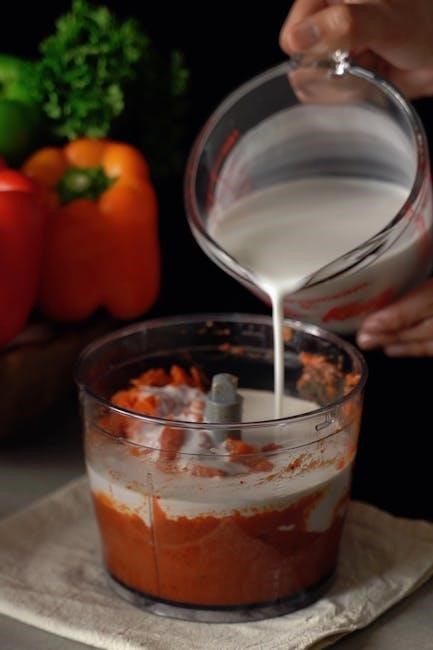
Cleaning and Maintenance
Food processor manuals emphasize thorough disassembly for cleaning. Hand washing blades and bowls is safest; some parts may be dishwasher-safe‚ per the model’s guide.
Disassembling for Cleaning
Food processor manuals universally stress complete disassembly before cleaning. Begin by unplugging the appliance! Carefully remove the work bowl and lid. Detach the blade or disc assembly – handle sharp components with extreme caution. Most models allow the base to remain intact during washing. Refer to your specific model’s manual; some have unique disassembly steps. Proper separation ensures all food particles are removed‚ preventing bacterial growth and maintaining optimal performance. Ignoring this step can lead to lingering odors and reduced efficiency.
Proper Cleaning Techniques
Food processor manuals recommend handwashing most components with warm‚ soapy water. The work bowl and lid are often dishwasher-safe (top rack)‚ but verify your model’s instructions. Never immerse the motor base in water! Blades and discs require careful handling during washing. Dry all parts thoroughly before reassembling. Avoid abrasive cleaners‚ which can damage surfaces. Regular‚ meticulous cleaning prevents food buildup‚ ensuring hygiene and extending the appliance’s lifespan‚ as detailed in most user guides.
Storage Instructions
Food processor manuals typically advise storing all components in a cool‚ dry place. Ensure parts are completely dry before storage to prevent mildew. Some models allow cord storage within the base. Keep the work bowl and lid separate to avoid scratching. Store blades and discs safely‚ perhaps in a designated container‚ to prevent accidental cuts. Proper storage‚ as outlined in the user guide‚ protects your investment and maintains appliance functionality for years.
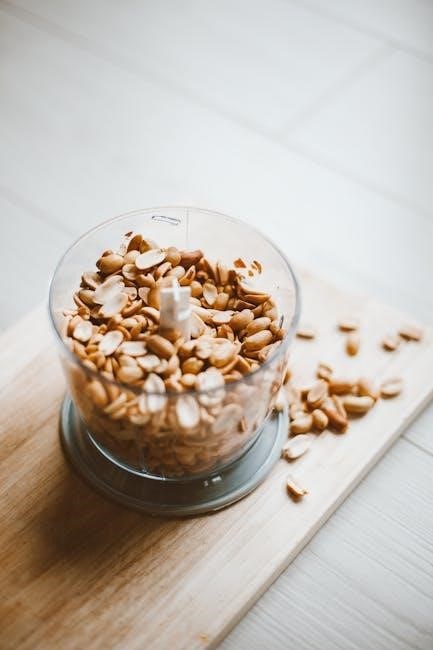
Troubleshooting Common Issues
Food processor manuals detail solutions for overheating‚ blade issues‚ or leaks. Consult your guide for safe troubleshooting steps before seeking repairs or replacements.
Motor Overheating
Motor overheating is a common issue addressed in most food processor manuals. Prolonged use‚ especially with dense ingredients‚ can strain the motor. The manual typically advises stopping the appliance and allowing it to cool down for at least 30 minutes before resuming.
Avoid continuous operation and consider processing ingredients in smaller batches. Ensure proper ventilation around the unit. If overheating persists despite these measures‚ consult the manual’s troubleshooting section or contact customer support‚ as it may indicate a more serious mechanical problem requiring professional attention.
Blade Not Spinning
A food processor blade failing to spin is often covered in the appliance’s manual. First‚ ensure the unit is correctly assembled – the work bowl must lock securely onto the base. Check for obstructions beneath the blade‚ like large food pieces.
The manual may detail a reset button or suggest unplugging and replugging the appliance. If the issue continues‚ avoid forcing the blade and consult the manual’s troubleshooting guide or contact customer service for assistance‚ potentially indicating a motor or coupling issue.
Leaking Issues
Food processor leaks‚ addressed in most manuals‚ typically stem from improper assembly. Ensure the work bowl is firmly locked into place; a secure fit is crucial. Check the rubber gasket around the bowl’s base for damage or misalignment – replace if necessary‚ as detailed in the manual.
Overfilling the bowl can also cause leaks. Refer to the manual’s capacity guidelines. If leaks persist‚ inspect the blade assembly for cracks and contact customer support‚ referencing your model’s specific instructions.

Food Processor vs. Blender
Food processors excel at chopping and slicing‚ while blenders liquefy. Consult your manual for specific tasks; each appliance has unique strengths for diverse recipes.
Understanding the Differences
Food processors‚ as explained in most manuals‚ utilize a horizontal spinning blade ideal for tasks like chopping‚ slicing‚ and shredding solid foods. Conversely‚ blenders employ a vertical blade designed to create smooth consistencies by liquefying ingredients.
A manual will detail how a food processor’s wider work bowl accommodates larger quantities and varied textures. Blenders‚ however‚ are better suited for liquids and purees. Understanding these distinctions‚ often highlighted in the appliance manual‚ ensures optimal performance and extends the lifespan of each machine.
When to Use Each Appliance
Consult your food processor manual for recipes needing chopped vegetables‚ shredded cheese‚ or doughs; It excels at tasks requiring texture and controlled particle size. A blender‚ as detailed in its manual‚ is perfect for smoothies‚ soups‚ and sauces demanding a completely smooth consistency.
Referencing the manual clarifies that food processors handle thicker mixtures‚ while blenders manage liquids more efficiently. Choosing the right appliance‚ guided by the manual‚ saves time and achieves superior results in the kitchen.

Choosing the Right Food Processor Model
Review the manual for each model; consider capacity‚ features‚ and budget. Brand reputation‚ detailed in online reviews and the manual‚ impacts performance.
Capacity Considerations
Food processor bowl size‚ detailed in the manual‚ dictates batch size. Smaller households benefit from mini choppers (typically 1-3 cups)‚ ideal for dips or single servings. Larger families or those prepping for gatherings require full-size models (7-14+ cups).
The manual will specify maximum fill lines; exceeding these limits strains the motor. Continuous feed models‚ as described in their manuals‚ handle larger volumes efficiently‚ but require careful ingredient monitoring. Always consult the manual for specific capacity recommendations to optimize performance and longevity.
Features to Look For
When selecting a food processor‚ the manual highlights crucial features. Variable speed settings offer control‚ while pulse functions‚ explained in the manual‚ provide precise chopping. Dishwasher-safe parts simplify cleanup‚ as noted in the manual.
Consider attachments – shredding‚ slicing discs‚ and dough blades expand versatility. The manual details proper attachment usage. Look for safety features like lid interlocks‚ detailed in the manual‚ and robust motor power. Refer to the manual for specific feature operation and maintenance guidelines.
Budget and Brand Reputation
Establishing a budget is key when choosing a food processor. The manual doesn’t address cost‚ but researching brands is vital. Reputable brands often offer better warranties and customer support‚ details found outside the manual.
Reading online reviews provides insights into reliability. While the manual focuses on operation‚ user experiences reveal long-term performance. Balancing price with features and brand trust ensures a worthwhile investment. Always prioritize safety features‚ even within a budget‚ as outlined in the manual.