
Wound Care Questions and Answers: A Comprehensive Guide
Navigating wound care involves numerous questions; readily available PDF guidelines from organizations like the Wound Healing Society and WOCN offer evidence-based answers.
Understanding Wound Basics
Wound care begins with a foundational understanding of the body’s natural healing processes. A wound disrupts normal skin integrity, initiating a complex cascade of biological events aimed at restoration. These events, detailed in readily accessible PDF resources from organizations like the Wound Healing Society, are broadly categorized into four phases: hemostasis, inflammation, proliferation, and maturation.
Hemostasis focuses on stopping the bleeding, while inflammation clears debris and prepares the wound for rebuilding. The proliferative phase involves tissue growth and new blood vessel formation, and finally, maturation sees collagen remodeling for increased strength.
Understanding these phases, often outlined in comprehensive wound care PDF guides, is crucial for appropriate assessment and intervention. Factors like wound depth, size, location, and the patient’s overall health significantly influence the healing trajectory. Accessing reliable PDF documents provides practical insights into these fundamental principles.

What is Wound Healing and its Stages?
Wound healing is a dynamic, biological process involving coordinated cellular and molecular events to restore skin integrity; Detailed in numerous wound care PDF guides, the process unfolds in four overlapping stages: hemostasis, inflammation, proliferation, and remodeling. Hemostasis initiates immediate blood clotting to stop bleeding, a crucial first step often detailed in downloadable PDFs.
The inflammatory phase follows, characterized by redness, swelling, and pain, as the body clears debris and bacteria. Proliferation involves new tissue formation – angiogenesis (new blood vessels) and granulation tissue development – explained clearly in accessible PDF resources.
Finally, remodeling strengthens the new tissue, increasing collagen deposition. Understanding these stages, as outlined in comprehensive PDF guidelines from organizations like the Wound Healing Society, is vital for effective wound management and predicting healing timelines. PDF resources offer practical insights into each phase.
Types of Wounds: Classification and Characteristics
Wounds are broadly classified as acute or chronic, with further categorization based on cause. Acute wounds, like surgical incisions or abrasions, progress through healing stages predictably, often detailed in wound care PDF guides. Chronic wounds, such as pressure injuries, diabetic foot ulcers, and venous leg ulcers, stall in the healing process, requiring specialized intervention – information readily available in downloadable PDFs.
Pressure injuries, categorized by stages I-IV, result from sustained pressure. Diabetic foot ulcers stem from nerve damage and poor circulation. Venous leg ulcers develop due to insufficient venous return.
Understanding these distinctions, as outlined in comprehensive PDF resources from organizations like WOCN, is crucial for appropriate assessment and treatment. PDF guides often include detailed characteristics of each wound type, aiding accurate diagnosis and tailored care plans. Accessing these PDF resources empowers informed decision-making;
Assessing a Wound: Key Parameters to Evaluate
Thorough wound assessment is fundamental to effective care, often guided by protocols detailed in wound care PDF resources. Key parameters include wound size (length, width, depth), location, and wound bed characteristics – noting tissue type (granulation, slough, eschar). Exudate, including quantity, color, and consistency, provides vital clues, often illustrated in PDF guides.
Periwound skin condition – assessing for redness, edema, or maceration – is also critical. Pain levels should be documented using a standardized scale.
PDF guidelines from organizations like the Wound Healing Society emphasize consistent documentation of these parameters to track healing progress. Utilizing standardized assessment tools, frequently found within downloadable PDF documents, ensures comprehensive evaluation and facilitates informed treatment decisions. Regular reassessment, guided by PDF protocols, is essential.

Common Wound Care Questions
Frequently asked questions about wound care are addressed in comprehensive PDF guides from organizations like WOCN, offering practical advice and evidence-based solutions.
How to Clean a Wound Properly?

Proper wound cleaning is paramount to prevent infection and promote healing. Initial cleaning involves gently washing the wound with mild soap and water, removing any visible debris. PDF resources from the Wound, Ostomy and Continence Nurses Society (WOCN) emphasize avoiding harsh antiseptics like hydrogen peroxide or iodine, as they can damage healthy tissue and delay healing.
Irrigation with sterile saline solution is often recommended to flush out contaminants. The WHS guidelines, available in PDF format, suggest using adequate pressure for effective cleaning without causing trauma. Assess the wound for signs of infection – increased pain, redness, swelling, or pus – and consult a healthcare professional if these are present.
Remember to always wash your hands thoroughly before and after wound care. Detailed instructions and visual aids regarding proper cleaning techniques can be found within downloadable PDF guides from reputable wound care organizations, ensuring best practices are followed.
Choosing the Right Wound Dressing: A Guide
Selecting the appropriate wound dressing is crucial for optimal healing. PDF guides from the Wound Healing Society detail various dressing types, including foam, hydrocolloid, and film dressings, each suited for different wound characteristics. Foam dressings, as highlighted in available PDFs, are ideal for heavily draining wounds, absorbing excess exudate and maintaining a moist wound environment.
Consider the wound’s depth, size, and presence of infection when choosing a dressing. Guidelines emphasize that dressings should protect the wound from contamination while promoting gas exchange. Resources like WOCN’s PDF publications offer algorithms to aid in dressing selection based on wound assessment parameters.
Regular dressing changes are essential, with frequency depending on exudate levels. Downloadable PDF resources provide detailed instructions on application and removal techniques, minimizing trauma to the healing tissue.
Managing Wound Pain: Effective Strategies
Effective wound pain management is a vital component of care, often addressed in comprehensive wound care PDF guides. Pain assessment should be regular, utilizing validated scales to quantify discomfort. Non-pharmacological approaches, detailed in downloadable resources, include positioning, relaxation techniques, and distraction methods.
Pharmacological interventions, such as analgesics, may be necessary for moderate to severe pain. PDF documents from organizations like WHS emphasize a multimodal approach, combining different pain relief strategies. Proper wound care itself – gentle cleansing and appropriate dressing selection – significantly reduces pain by protecting nerve endings.
Addressing biofilm and infection is crucial, as these contribute to increased pain. PDF guidelines highlight the importance of timely intervention to prevent complications and improve patient comfort.
Recognizing Signs of Wound Infection
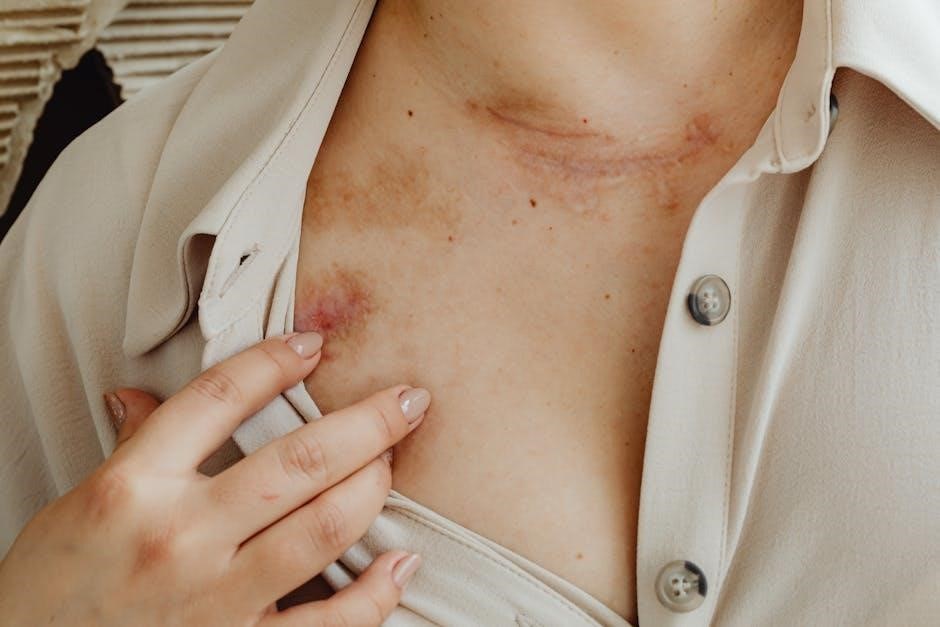
Early detection of wound infection is paramount, and comprehensive wound care PDF resources detail key indicators. Look for increased pain, redness extending beyond the wound edges, and swelling. Purulent drainage – thick, cloudy, or foul-smelling – is a significant warning sign, often detailed in downloadable guides.
Elevated body temperature and systemic symptoms like fever or chills suggest a spreading infection. PDF documents from organizations like the Wound Healing Society emphasize the importance of assessing for these signs. Changes in wound appearance, such as delayed healing or tissue breakdown, also warrant investigation.

Biofilm presence can mask infection signs, making diagnosis challenging. PDF guidelines highlight the need for thorough assessment and, if suspected, appropriate antimicrobial treatment. Prompt intervention prevents complications and promotes healing.
Specific Wound Types & Care
Diverse wound types necessitate tailored care; PDF resources from WHS and WOCN provide specialized guidance for pressure injuries, diabetic ulcers, burns, and surgical sites.
Pressure Injury (Bed Sore) Prevention and Management
Preventing pressure injuries is paramount, and readily accessible PDF guidelines from organizations like the Wound, Ostomy and Continence Nurses Society (WOCN) detail crucial preventative measures. These include frequent repositioning of patients, meticulous skin care—keeping skin clean and dry—and utilizing pressure-redistributing surfaces such as specialized mattresses and cushions.
For existing pressure injuries, comprehensive PDF resources outline a staged approach to management, correlating treatment with the injury’s severity. This encompasses thorough wound cleansing, appropriate dressing selection (often involving foam dressings for heavily draining wounds, as suggested by the Wound Healing Society), and nutritional support to promote healing.
Guidelines emphasize the importance of regular wound assessment, monitoring for signs of infection, and collaborating with a healthcare team to optimize the care plan. Detailed PDF documents provide visual aids and practical advice for both healthcare professionals and caregivers, ensuring consistent and evidence-based practice.

Diabetic Foot Ulcer Care: Best Practices
Effective diabetic foot ulcer care demands a multi-faceted approach, detailed in comprehensive PDF guides from organizations like the Wound Healing Society. Central to best practices is meticulous blood glucose control, as hyperglycemia significantly impairs wound healing. Offloading pressure from the affected area is crucial, often achieved through specialized footwear or total contact casts.
PDF resources emphasize regular wound assessment, including evaluation for signs of infection and adequate perfusion. Debridement of necrotic tissue is frequently necessary to promote a healthy wound bed. Appropriate wound dressings, potentially including foam dressings for exudate management, are selected based on wound characteristics.
Patient education is vital, covering proper foot hygiene, daily self-inspection, and the importance of adhering to the prescribed treatment plan; PDF guidelines often include patient-friendly materials to enhance understanding and compliance, ultimately minimizing the risk of amputation.
Surgical Wound Care: Post-Operative Instructions
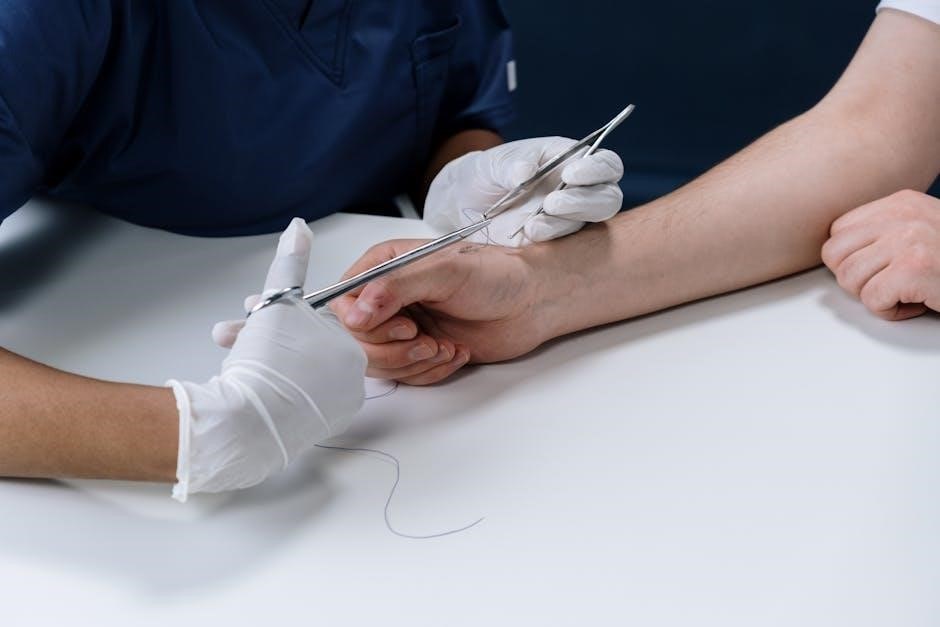
Following surgery, proper wound care is paramount for optimal healing, and detailed post-operative instructions are often provided in PDF format by healthcare providers. These PDFs typically emphasize keeping the incision clean and dry, usually achieved with gentle cleansing and appropriate dressings.
Monitoring for signs of infection – increased redness, swelling, pain, or drainage – is crucial, with instructions on when to seek immediate medical attention. PDF guides often illustrate acceptable levels of drainage versus concerning signs. Pain management strategies, including prescribed medications and non-pharmacological approaches, are also outlined.
Activity restrictions are clearly defined to prevent wound dehiscence, and instructions regarding suture or staple removal are provided. Comprehensive PDF resources from organizations like WOCN offer standardized guidance, ensuring consistent and effective post-operative care for patients.
Burn Wound Care: First Aid and Treatment
Initial burn care focuses on stopping the burning process and minimizing tissue damage; readily available PDF guides detail crucial first aid steps, including cooling the burn with cool (not cold) running water for 10-20 minutes. These resources emphasize avoiding ice, as it can worsen the injury.
PDF documents often illustrate burn classifications – first, second, and third degree – and corresponding treatment recommendations. Covering the burn with a sterile, non-adhesive dressing is advised, and instructions detail when to seek immediate medical attention, particularly for larger burns or those affecting sensitive areas.
Pain management and preventing infection are key components of burn care, with PDF guides outlining appropriate pain relief strategies and signs of infection to watch for. Resources from organizations like the Wound Healing Society provide evidence-based protocols for comprehensive burn wound management.

Advanced Wound Care Considerations
Complex wounds require specialized approaches; PDF resources detail biofilm management, antimicrobial resistance, nutrition’s role, and updated guidelines from WHS and WOCN.
Biofilm in Wounds: Identification and Treatment
Biofilm, a complex community of microorganisms, significantly hinders wound healing. PDF resources from organizations like the Wound Healing Society emphasize its prevalence in chronic wounds and the challenges it presents to traditional antimicrobial therapies. Identifying biofilm requires a high index of suspicion, as visual assessment is often insufficient.
Diagnostic methods, detailed in downloadable guidelines, include qualitative and quantitative assessments. Treatment strategies move beyond simple antibiotics, focusing on disruption of the biofilm matrix. This involves debridement to physically remove the biofilm, alongside the use of specialized dressings and topical agents designed to penetrate and eradicate the microbial community.
PDF guides highlight the importance of utilizing dressings that maintain a moist wound environment while actively working against biofilm formation. Furthermore, understanding antimicrobial resistance, often associated with biofilm, is crucial for selecting appropriate therapies. Continual monitoring and adaptation of the treatment plan, guided by evidence-based protocols found in these resources, are essential for successful biofilm management.
Antimicrobial Resistance in Wound Infections
Antimicrobial resistance poses a growing threat to effective wound care, detailed in comprehensive PDF guides from organizations like the Wound Healing Society. These resources emphasize that overuse and misuse of antibiotics contribute to the development of resistant strains of bacteria commonly found in wound infections. Identifying resistant organisms requires accurate wound cultures and susceptibility testing, information readily available in downloadable protocols.
Treatment strategies must shift towards antimicrobial stewardship, utilizing antibiotics judiciously and exploring alternative therapies. PDF documents highlight the role of advanced wound dressings containing silver or polyhexamethylene biguanide (PHMB) as potential adjuncts to combat resistant bacteria.
Furthermore, meticulous wound care practices, including thorough debridement and infection control measures, are crucial in preventing the spread of resistance. These guidelines stress the importance of staying updated on local antimicrobial resistance patterns and tailoring treatment plans accordingly, ensuring optimal patient outcomes and minimizing the emergence of further resistance.
The Role of Nutrition in Wound Healing
Optimal nutrition is fundamental to successful wound healing, a concept thoroughly addressed in wound care PDF resources from organizations like the Wound Healing Society. These guides detail how adequate intake of protein, vitamins (especially C and A), and minerals (zinc and iron) are essential for collagen synthesis, immune function, and tissue repair.
Malnutrition significantly impairs the healing process, increasing the risk of infection and prolonging recovery time. PDF documents often include nutritional assessment tools and dietary recommendations tailored for patients with wounds. Hydration is also crucial, supporting cellular function and nutrient transport.
Specific nutritional needs vary based on wound severity and patient factors. These guidelines emphasize a holistic approach, addressing underlying nutritional deficiencies and providing personalized dietary plans to optimize the body’s natural healing capabilities, ultimately improving wound closure rates and overall patient well-being.

Wound Care Guidelines & Resources (Wound Healing Society, WOCN)
Comprehensive wound care guidelines are readily accessible in PDF format from leading organizations like the Wound Healing Society (WHS) and the Wound, Ostomy and Continence Nurses Society (WOCN). The WHS provides detailed chronic wound care guidelines, originally published in 2006 and frequently updated, covering assessment, treatment, and prevention.
WOCN offers resources focused on best practices in wound, ostomy, and continence care, including guidelines for pressure injury prevention and management. These PDFs often include algorithms, checklists, and practical tools for clinicians. Links to these resources are frequently provided by platforms like Wiley’s Wound Repair and Regeneration.
Accessing these evidence-based guidelines ensures consistent, high-quality care, promoting optimal wound healing outcomes and reducing complications. They serve as invaluable references for healthcare professionals seeking to stay current with the latest advancements in wound care.
Foam Dressings: When and How to Use
Foam dressings are exceptionally useful for wounds with moderate to heavy exudate, providing excellent absorption while maintaining a moist wound environment crucial for healing. Guidelines, often found in wound care PDF resources from organizations like the Wound Healing Society, recommend their use when managing wounds requiring significant drainage.
For heavily exudating wounds, dressings should be changed once or twice daily to prevent maceration of the surrounding skin. As exudate levels decrease with healing, the frequency can be reduced. Foam dressings also offer cushioning, protecting the wound from pressure and trauma.
Selecting the appropriate foam dressing – varying in thickness and absorption capacity – is vital. Always follow established protocols and consult available PDF guides for optimal application and management, ensuring effective wound care.