St. John Ambulance First Aid Test and Answers PDF: A Comprehensive Guide
St. John Ambulance certification is vital‚ and this guide offers a detailed overview of the first aid knowledge check‚ encompassing 35 questions and practical application.
Successfully navigating the exam requires understanding emergency scene management‚ including hazard assessment and ensuring safety‚ alongside providing appropriate first aid interventions.
This resource aids preparation‚ covering circulation checks‚ injury management‚ and effective interaction with emergency services‚ ultimately bolstering your first aid capabilities.
Understanding the St. John Ambulance First Aid Certification
St. John Ambulance offers a nationally recognized first aid certification‚ validating crucial life-saving skills. Achieving this certification demonstrates a commitment to emergency preparedness and the ability to respond effectively to various medical situations. The certification process typically involves a combination of theoretical learning and practical assessment‚ culminating in a knowledge check – often a 35-question exam.
Successful completion signifies competence in areas like scene assessment‚ casualty care‚ and understanding emergency service protocols. This isn’t merely about passing a test; it’s about gaining the confidence to act decisively when faced with an injury or illness. The first aid knowledge gained is applicable in diverse settings‚ from workplaces to homes and public spaces.
Furthermore‚ maintaining certification often requires periodic refresher courses‚ ensuring skills remain current and aligned with best practices. Supporting St. John Ambulance directly contributes to expanding first aid training accessibility within communities and schools.
The Importance of First Aid Knowledge
First aid knowledge is paramount‚ empowering individuals to provide immediate assistance until professional medical help arrives. In critical moments‚ these skills can be the difference between life and death‚ minimizing the severity of injuries and potentially preventing long-term complications. Understanding how to check for a response and ensure scene safety is the foundational step in any emergency.
Being prepared with first aid training fosters a sense of confidence and reduces panic during stressful situations. It equips you to effectively manage bleeding‚ treat burns‚ and stabilize fractures‚ all while awaiting emergency services. Knowing how to recognize symptoms of serious conditions like heart attacks or strokes – utilizing assessments like FAST – is equally vital.
Ultimately‚ widespread first aid knowledge builds more resilient communities‚ capable of responding effectively to unforeseen events. The St. John Ambulance test and certification validate this preparedness‚ ensuring individuals possess the necessary skills to act responsibly and save lives.
Accessing St. John Ambulance First Aid Test Materials
Obtaining St. John Ambulance first aid test materials typically involves completing a recognized first aid course. These courses‚ offered both in-person and increasingly online‚ provide comprehensive training and access to practice questions designed to prepare you for the knowledge assessment.
While a complete PDF of the exact exam questions is generally not publicly available to prevent cheating‚ many training providers offer practice tests and study guides. These resources closely mirror the exam format and content‚ covering essential topics like scene assessment‚ circulation checks‚ and injury management.
Furthermore‚ the official St. John Ambulance website often provides sample questions and outlines the key areas covered in the assessment. Successful completion of the course and passing the 35-question knowledge check results in certification‚ validating your first aid proficiency.
Key Areas Covered in the St. John Ambulance First Aid Test
The test focuses on crucial skills: ensuring scene safety‚ accurately checking for a response‚ and thoroughly assessing circulation‚ forming the foundation of effective first aid.
Checking for a Response and Ensuring Safety
First and foremost‚ prioritize your own safety before approaching a casualty. A thorough scene survey is essential to identify and mitigate potential hazards that could endanger both you and the individual needing assistance.
Check for a response by gently shaking the person’s shoulder and loudly asking‚ “Are you okay?” or “Can you hear me?”. Observe for any signs of consciousness‚ such as movement‚ blinking‚ or verbal responses.
If no response is received‚ immediately call for emergency medical services. Simultaneously‚ check for breathing and circulation. Remember‚ you cannot effectively help someone if you become a casualty yourself. Maintaining a safe environment is paramount throughout the entire first aid process.
Clear the area of any immediate dangers and be prepared to provide ongoing support until professional help arrives.
Scene Survey and Hazard Assessment
A systematic scene survey is the initial critical step in any first aid situation. Before approaching a casualty‚ meticulously assess the surroundings for potential dangers. This includes identifying hazards like traffic‚ fire‚ unstable structures‚ electrical wires‚ or hazardous materials.
Check for anything that could pose a risk to yourself‚ bystanders‚ or the casualty. Make the area safe if possible‚ by removing hazards or creating a safe zone. If the scene is unsafe‚ do not enter; instead‚ call emergency services and await their arrival.
Order the steps correctly: survey the scene‚ check for hazards‚ and ensure the area is safe before proceeding. Remember‚ your safety is paramount. A thorough assessment prevents further injuries and allows you to provide effective assistance.
Take a moment to understand the situation before acting‚ ensuring a controlled and safe response.
Circulation Assessment
Following the initial response check‚ assessing circulation is a crucial step in first aid. This determines if the casualty’s heart is effectively pumping blood‚ delivering oxygen to vital organs. Begin by checking for signs of life‚ such as breathing and a pulse.
Check for a pulse‚ ideally at the carotid artery (neck) or radial artery (wrist). If a pulse is present‚ note its rate and strength. Absent or weak pulses indicate a potential circulatory problem requiring immediate intervention.
Look for signs of poor circulation‚ including pale‚ cool‚ or clammy skin‚ and delayed capillary refill. To check capillary refill‚ press on a fingernail or toenail; color should return within two seconds.
Effective circulation is essential for survival. If circulation is compromised‚ initiate appropriate first aid measures‚ such as controlling bleeding and summoning emergency services.

Common First Aid Scenarios & Procedures
First aid principles apply across diverse injuries‚ from bleeding and burns to fractures and choking. Effective response involves assessing the situation and providing appropriate care.
Understanding these procedures is key to passing the St. John Ambulance knowledge check and confidently assisting those in need.
First Aid for Injuries – General Principles
First aid for any injury begins with prioritizing safety – both for the responder and the casualty. A thorough scene survey is crucial‚ identifying and mitigating any hazards before approaching the injured person. Remember‚ you cannot help if you become a casualty yourself!
Following the initial safety assessment‚ check for a response. If unresponsive‚ activate emergency services immediately. For responsive casualties‚ gather information about what happened and assess their condition systematically. This includes checking for breathing‚ circulation‚ and any obvious injuries.
General principles include maintaining the casualty’s airway‚ controlling bleeding‚ immobilizing suspected fractures‚ and treating for shock. Elevating lower extremities can be beneficial in some cases. Throughout the process‚ provide reassurance and monitor the casualty’s condition until professional help arrives.
Remember to give first aid for any illness or injury found after completing the exam‚ and always follow instructions from emergency services personnel when they arrive.
Managing Bleeding and Wounds
Controlling bleeding is paramount in first aid. Begin by applying direct pressure to the wound using a clean cloth. If bleeding is severe‚ elevate the injured limb above the heart‚ if possible‚ while maintaining continuous pressure.
For minor wounds‚ after cleaning with mild soap and water‚ apply a sterile dressing. Monitor for signs of infection – increased pain‚ redness‚ swelling‚ or pus. Larger wounds may require professional medical attention‚ particularly if bleeding doesn’t stop with direct pressure.
When dealing with embedded objects‚ do not remove them; instead‚ stabilize the object and seek immediate medical help. Always prioritize preventing further injury and minimizing the risk of infection.
Remember‚ appropriate first aid‚ including wound care‚ is a key component of the St. John Ambulance knowledge check and practical exam.
Treating Burns and Scalds
Immediate cooling is crucial when treating burns and scalds. Apply cool (not ice-cold) running water to the affected area for at least 20 minutes. This helps to minimize tissue damage and relieve pain.

For minor burns‚ after cooling‚ cover loosely with a sterile‚ non-adhesive dressing. Do not apply creams‚ oils‚ or butter‚ as these can trap heat and increase the risk of infection. Seek medical attention for burns that are larger than the palm of the hand‚ involve the face‚ hands‚ feet‚ or genitals‚ or appear deep.
Recognizing the severity of a burn is vital. The St. John Ambulance first aid test assesses your ability to differentiate between burn types and provide appropriate care.
Remember‚ proper burn management is a critical skill‚ and understanding these principles is essential for passing the exam.
Responding to Fractures‚ Sprains‚ and Strains
When encountering a suspected fracture‚ sprain‚ or strain‚ immobilization is paramount. Support the injured limb to prevent further damage. Avoid attempting to realign the bone or joint; this should only be done by trained medical professionals.
Apply a splint to stabilize the area‚ using readily available materials if professional splints aren’t accessible. Elevate the injured limb to reduce swelling and apply a cold pack (wrapped in a cloth) for 20 minutes at a time‚ with breaks in between.
The St. John Ambulance first aid test emphasizes recognizing the signs and symptoms of each injury type.
Remember‚ prompt and appropriate care can significantly improve recovery outcomes. Understanding these principles is crucial for successfully completing the exam and providing effective assistance.
First Aid for Choking
Recognizing choking is the first critical step. Ask the individual if they are choking and can speak. If they can’t speak‚ cough‚ or breathe‚ immediate action is required. The St. John Ambulance first aid test heavily features this scenario.
For a conscious adult or child‚ deliver up to five back blows between the shoulder blades‚ followed by five abdominal thrusts. Continue alternating until the object is dislodged or the person becomes unconscious.
If the person becomes unconscious‚ carefully lower them to the ground and begin CPR‚ checking the mouth for the obstructing object before each set of compressions.
Understanding these techniques is vital for passing the exam. Remember‚ quick and decisive action can be life-saving. Proper training‚ as offered by St. John Ambulance‚ is highly recommended.

Specific Medical Conditions & First Aid
St. John Ambulance training emphasizes recognizing conditions like heart attacks‚ strokes‚ and diabetes. The first aid test assesses your ability to respond appropriately to these emergencies.
Knowing the FAST assessment for stroke and checking glucose levels are crucial skills.
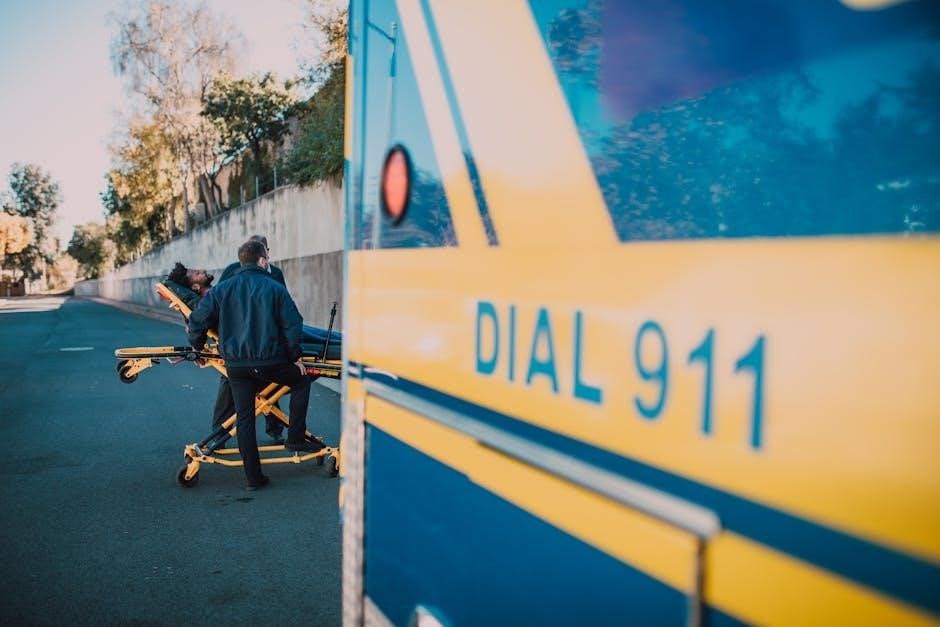
Recognizing and Assisting with Heart Attack Symptoms
St. John Ambulance first aid training prioritizes swift recognition of heart attack symptoms‚ a critical component of the test and real-life emergencies. Common indicators include chest pain‚ discomfort radiating to the arm‚ jaw‚ or neck‚ shortness of breath‚ nausea‚ and cold sweats.
If someone exhibits these signs‚ immediately call emergency services. Encourage the individual to rest in a comfortable position‚ ideally semi-sitting‚ and loosen any tight clothing. Reassure them while awaiting medical assistance.
Administer aspirin‚ if the person is not allergic and has no contraindications‚ as it can help reduce blood clotting. Continuously monitor their condition‚ checking for responsiveness and breathing. Accurate symptom recognition and prompt action significantly improve outcomes‚ reflecting the core principles assessed in the first aid knowledge check.
Remember‚ time is of the essence when dealing with a potential heart attack.
Managing Stroke – FAST Assessment
St. John Ambulance first aid emphasizes the FAST assessment – Face‚ Arms‚ Speech‚ Time – as a crucial method for identifying a stroke‚ a key element within the test framework. This rapid evaluation helps determine if someone is experiencing a stroke and necessitates immediate medical attention.
Face: Ask the person to smile; does one side droop? Arms: Can they raise both arms equally? Speech: Is their speech slurred or strange? Time: If you observe any of these signs‚ call emergency services immediately.
Prompt action is vital‚ as treatment is most effective when initiated quickly. While awaiting help‚ keep the individual calm and comfortable‚ noting the time symptoms began. This information is crucial for medical professionals. The first aid knowledge check assesses your ability to apply this assessment effectively‚ highlighting its importance in potentially life-saving scenarios.
Diabetes and First Aid – Checking Glucose Levels
St. John Ambulance first aid training‚ and reflected in the test materials‚ stresses recognizing diabetic emergencies. If a person with diabetes is conscious‚ inquire if they are able to test their glucose levels. Assisting them in doing so is a key first aid step.
Hypoglycemia (low blood sugar) presents with symptoms like confusion‚ weakness‚ and sweating. If glucose levels are low‚ provide a fast-acting carbohydrate source‚ such as glucose tablets or sugary drink‚ if the person is able to swallow.
Hyperglycemia (high blood sugar) requires calling for emergency medical assistance. The first aid knowledge check evaluates your understanding of these procedures and the importance of supporting individuals managing diabetes. Knowing how to respond appropriately can significantly improve outcomes in these situations‚ demonstrating practical application of learned skills.
Dealing with Fainting (Syncope)
St. John Ambulance first aid protocols‚ assessed within the test and answer PDF‚ prioritize safety when dealing with fainting‚ also known as syncope. The initial response involves ensuring the area is safe for both the casualty and the rescuer.
If someone feels faint‚ encourage them to sit down‚ ideally with their head between their knees. If they lose consciousness‚ carefully lower them to the ground and elevate their legs to improve blood flow to the brain.
First aid includes loosening any tight clothing and checking for breathing. The knowledge check emphasizes the importance of monitoring the casualty until they regain full consciousness and assessing for any underlying causes. Maintaining clear airways and providing reassurance are also crucial components of effective care.
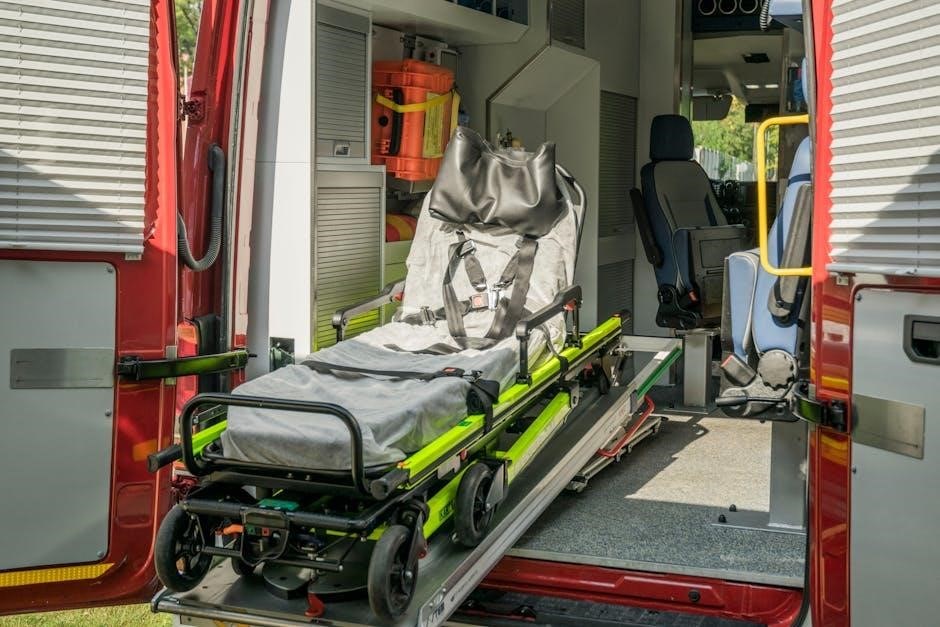
Exam Format and Preparation
The St. John Ambulance first aid test comprises a 35-question knowledge check‚ evaluating practical application and emergency service interaction skills‚ as detailed in the PDF.
The 35-Question First Aid Knowledge Check
St. John Ambulance’s first aid certification often culminates in a 35-question knowledge check designed to assess your comprehension of essential life-saving skills. This assessment isn’t merely about recalling facts; it’s about demonstrating the ability to apply first aid principles effectively in real-world scenarios.
The questions cover a broad spectrum of topics‚ from initial scene assessment and ensuring personal safety to managing various injuries and illnesses. Expect inquiries regarding circulation checks‚ bleeding control‚ fracture stabilization‚ and recognizing symptoms of conditions like heart attacks and strokes.
Successfully completing this test requires thorough preparation and a solid understanding of the procedures outlined in the St. John Ambulance training materials. A perfect score‚ as evidenced by some reports‚ indicates a strong grasp of the subject matter and readiness to respond confidently in an emergency. The PDF resource provides a valuable tool for focused study.
Understanding Emergency Services Interaction
Effective communication with emergency services is a crucial component of first aid‚ and the St. John Ambulance training emphasizes this skill. Upon summoning help‚ clear and concise reporting is paramount. Be prepared to accurately convey the patient’s condition‚ the location‚ and any first aid already administered.
When paramedics arrive‚ maintain a calm demeanor and answer their questions thoroughly. Provide a concise handover‚ detailing the events leading to the emergency‚ observed symptoms‚ and any changes in the patient’s condition.
Unless specifically instructed‚ avoid interfering with the paramedics’ assessment and treatment. They may request your assistance‚ but generally‚ it’s best to step back and allow them to take control. Following their instructions ensures a smooth transition of care and optimizes the patient’s outcome. This interaction is a key aspect assessed in the first aid knowledge check and PDF materials.
Post-Exam First Aid Application
Successfully completing the St. John Ambulance first aid knowledge check isn’t simply about passing an exam; it’s about embodying a commitment to practical application. The PDF resources and training are designed to equip you with skills for real-world emergencies.

Regularly review the procedures for managing common injuries like bleeding‚ burns‚ and fractures; Consider participating in refresher courses to maintain proficiency and stay updated on the latest first aid techniques.
More importantly‚ actively look for opportunities to utilize your skills – within the scope of your training‚ of course. This could involve assisting at community events or simply being prepared to help family and friends. Remember‚ confident and timely intervention can significantly improve outcomes. The true value of the certification lies in its practical application‚ transforming knowledge into life-saving action.